Private Clients
Domestic surveillance, infidelity concerns, family-law support, missing persons locates.
Test helps individuals, families, attorneys, business owners, and insurance teams clarify sensitive questions before a decision becomes public. The work is discreet, lawful, and documentation-first: domestic surveillance, background checks, skip tracing, asset searches, missing persons locates, family-law support, and insurance fraud investigation support across Fremont and Alameda County.
Domestic surveillance, infidelity concerns, family-law support, missing persons locates.
Background checks, skip tracing, address history, public records, source notes.
Attorney-directed research, custody documentation, timelines, witness location.
Asset searches, corporate due diligence, insurance claim context, fraud questions.
Fremont cases are rarely helped by generic promises. The first job is to define the question, choose the lawful method, and create a record that a client, attorney, insurer, or decision maker can actually use.

Domestic matters need restraint. The goal is to document relevant patterns, exchange issues, activity windows, or schedule concerns without inflaming a private situation.

Records research can connect address history, civil filings, public records, online indicators, professional affiliations, and locate leads into a usable summary.

Asset search work may support settlements, collections, business disputes, divorce preparation, or attorney-directed review when the question is specific.
Claim support should stay neutral. The task is to organize records, timelines, observations, and unresolved questions so reviewers can make a cleaner decision.
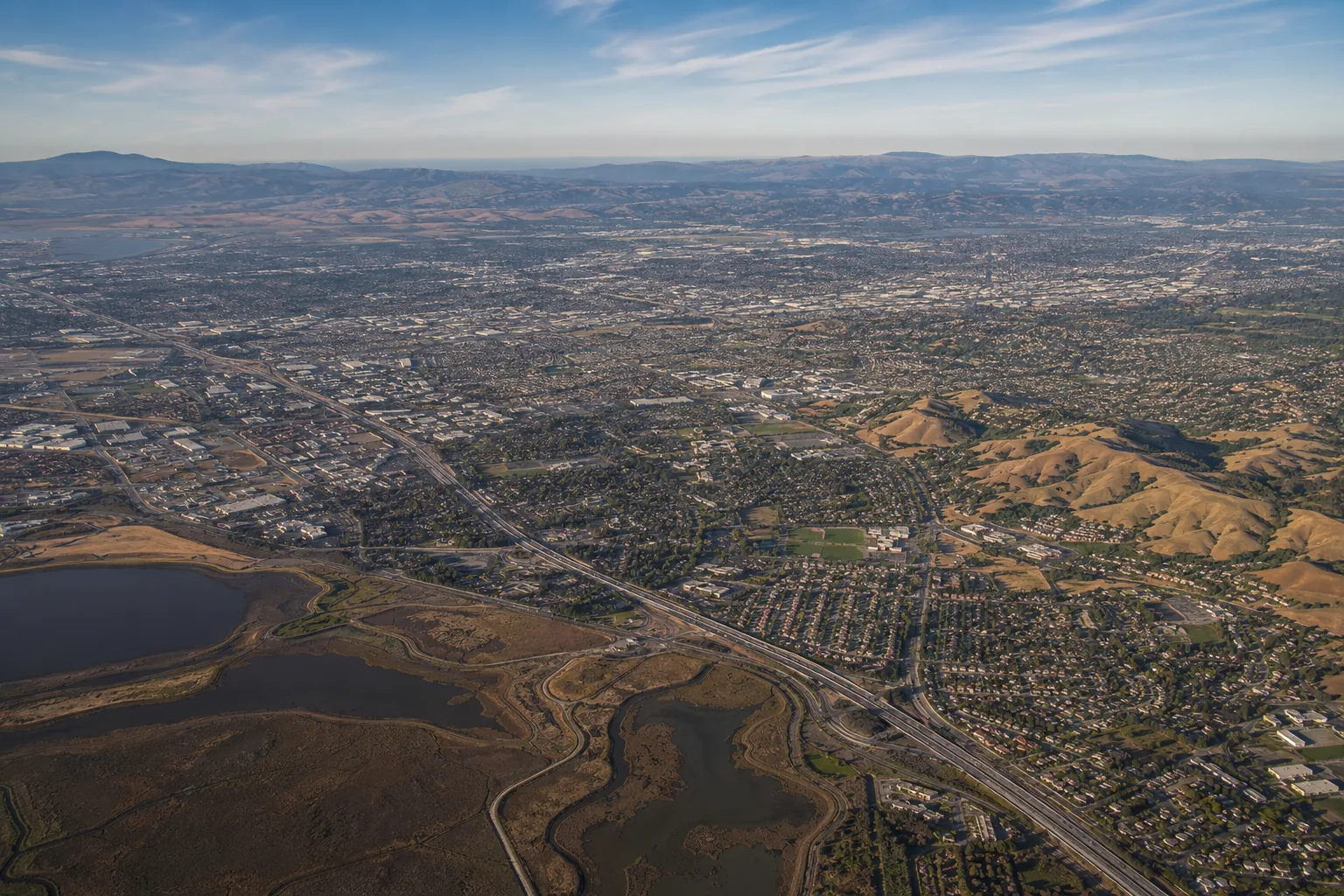
Mission San Jose, Warm Springs, Irvington, Niles, Centerville, Ardenwood, Glenmoor, Fremont BART, I-880, I-680, Dumbarton Bridge, and Alameda County Superior Court can all shape whether surveillance, records research, or a locate plan is practical.
| Local factor | Why it matters | Investigation impact |
|---|---|---|
| Warm Springs / South Fremont BART | Transit and commute timing | Observation windows and route planning |
| Mission Boulevard and I-680 | Traffic, access, and realistic movement | Field timing and documentation expectations |
| Alameda County records | Court, civil, property, and public filings | Background checks, asset search, attorney support |
| Newark, Union City, Milpitas | Nearby activity may cross city boundaries | Broader but still scoped South/East Bay coverage |
A private investigator Fremont CA inquiry usually begins with a practical question, not a dramatic story. A spouse may need to know whether a schedule is truthful. A parent may need documentation before a custody conversation. An attorney may need a witness location, asset search, background check, or timeline. A business owner may need to understand whether an employee, vendor, partner, or claimant is creating risk. The value of the work is clear, lawful documentation.
For domestic surveillance and infidelity investigations, the starting point is the routine. What changed? Which dates matter? Where does the person normally go? Useful surveillance is planned around specific windows, not random monitoring. In Fremont, that can mean commute patterns around I-880, I-680, Warm Springs, Mission Boulevard, Fremont BART, or residential neighborhoods where parking, visibility, and access affect the plan.
Fremont family law and domestic surveillance work requires restraint. A custody matter should not be handled like a confrontation. The purpose is to document relevant behavior, exchange patterns, safety concerns, or schedule inconsistencies in a way that can be reviewed calmly. Sensitive family matters deserve privacy-first communication, careful scoping, and clean reporting.
A domestic surveillance inquiry usually begins with a pattern that no longer makes sense: unexplained absences, unusual work schedules, private phone behavior, new routines, or conflicting stories. The useful first step is to identify dates, locations, vehicles, commute windows, and routine changes that can be observed lawfully.
Child custody and co-parenting concerns require a calm tone. The purpose is to document relevant facts: missed exchanges, late pickups, unsafe environments, inconsistent routines, or concerns that an attorney has already identified as important.
Background checks and skip tracing can support legal, personal, and business decisions when a person or record trail needs to be clarified. The work should separate confirmed records from possible leads.
Business owners, managers, insurers, and attorneys may need private investigation support before making a sensitive decision. The strongest report explains what is known, unknown, and still unverified.
Not every problem needs surveillance. Sometimes the better starting point is a background check, asset search, skip trace, records review, or attorney conversation. A good private investigator should be willing to say that. The right method depends on the question, the available facts, the deadline, the legal boundaries, and whether the final information will actually help the client act.
For a relationship concern, the first question is whether there is a specific observation window. If the only instruction is "find out everything," the case is too broad. If the client can identify recurring dates, commute times, appointments, work schedules, or unusual routines, the case becomes more practical.
For a business or insurance matter, the first question is usually what decision depends on the result. Is a claim being reviewed? Is a settlement being considered? Is a vendor, employee, partner, or contractor creating risk? Are public records enough, or is lawful observation needed?
Fremont clients should also think about geography. A subject who moves between Fremont, Newark, Union City, Milpitas, Hayward, San Jose, Palo Alto, or Pleasanton may require route planning and realistic timing.
The strongest next step is simple: write down what changed, when it started, who is involved, what facts you already have, what you need to verify, and what decision you are trying to make. Then request a confidential consultation.
A private investigation should not leave a client with a pile of dramatic claims. The final value is the ability to understand what was checked, what was observed, what records were reviewed, and what still remains uncertain.
For a domestic surveillance case, custody concern, insurance review, or corporate matter, a clean timeline is often more useful than a long emotional summary. Reports should identify relevant dates, observation windows, route notes, records reviewed, and the order of events. That structure helps clients, attorneys, and decision makers see whether the facts support the next step.
Background checks, skip tracing, and asset searches can produce confirmed records, probable leads, outdated information, and unrelated matches. A disciplined report separates those categories. A name match is not the same as a verified person. A possible address is not the same as a confirmed location. This matters in Fremont cases where common names, moving records, and Bay Area address history can create confusion.
Private investigation work should stay inside lawful methods. That means no trespass, no harassment, no unlawful recording, no impersonation, and no promises that cannot be delivered. A careful intake identifies what can be documented through public records, lawful observation, client-provided materials, attorney direction, or permitted sources before anyone spends time in the field.
The strongest Test page should explain the service in plain language because clients are usually under pressure when they search. The visitor may be facing a family issue, a business risk, a missing person concern, a background question, or a legal deadline. The page should help them understand what information to prepare, what can be checked, and when a consultation makes sense.
Infidelity and relationship concerns: These cases should begin with a narrow, realistic plan. A useful intake may include work schedules, recurring appointments, known addresses, vehicle descriptions, likely travel routes, and dates when the concern appears strongest. The work should avoid confrontation and focus on factual documentation.
Child custody and co-parenting issues: Family-law support should be careful, quiet, and documentation-led. A parent may need help documenting exchange times, location concerns, schedule patterns, possible unsafe environments, or activity that an attorney has already identified as relevant. The purpose is not to create conflict; the purpose is to organize facts.
Background checks and skip tracing: Fremont clients may need to locate a person, confirm identity, review address history, connect civil records, or check whether a story matches available public information. The result should explain what was verified, where the information came from, and which leads still need caution.
Asset searches and due diligence: Asset search investigations can support settlement planning, collections, business disputes, divorce preparation, or attorney-directed review. Useful work is specific. A broad request to "find everything" is weaker than a focused question about property, businesses, judgments, liens, affiliations, or other public indicators.
Corporate and insurance matters: Business owners, insurers, and managers often need a quieter fact-finding process before making a decision. The work may involve record review, online research, site context, claimant activity, vendor questions, employee concerns, or timeline organization. Reports should reduce surprise rather than add drama.
Missing persons and locates: Locate work can involve old addresses, phone numbers, public records, relatives, professional history, court references, social information, and regional movement. Fremont is connected to Newark, Union City, Milpitas, Hayward, San Jose, and the wider Bay Area, so the plan should account for nearby movement instead of assuming a person stayed inside one city boundary.
Attorney and documentation support: Some clients already have counsel and need organized facts rather than advice. In those cases, the best work is often quiet support: record summaries, address context, timeline review, lawful observations, photo notes, or witness-location research that can be reviewed by the attorney before the client takes action.
These answers are written for people comparing options before contacting a private investigator in Fremont, Alameda County, or nearby East Bay communities.
Yes, when the concern can be scoped into lawful observation windows and documentation goals. The intake should focus on dates, routines, locations, and what kind of information would actually help you make a decision.
No. Records research can reveal useful public and database indicators, but it should not be treated as magic. Good reporting separates verified records from possible leads.
Family matters should be handled with restraint. The focus is documentation, schedule clarity, lawful observation, and attorney-useful summaries rather than conflict or confrontation.
Bring a timeline, known addresses, relevant dates, phone numbers, vehicle details, public profiles, court or claim deadlines, and the core question you need answered.
No. Surveillance is useful only when there is a realistic observation window and a lawful reason to document activity. Some Fremont cases are better served by public-record research, background checks, asset search work, skip tracing, or attorney-directed review before field time is considered. A scoped consultation helps avoid wasted hours and keeps the investigation focused on information that can actually support a decision.
Local context affects timing, access, parking, records, and route planning. Mission San Jose, Warm Springs, Irvington, Niles, Centerville, Ardenwood, Fremont BART, I-880, I-680, Newark, Union City, Milpitas, and Alameda County records can all shape the practical plan. A local page should show that the investigation is not just a generic Bay Area service page with the city name swapped in.
Share the question you need answered, the area involved, and the safest way to follow up. Intake is kept discreet, scoped, and focused on lawful next steps.
123456789 or use the confidential intake form to request a practical case review. 123456.